


The Tradie’s Guide to Protecting Expensive Tools with Custom Foam Inserts

Every Australian tradesperson knows the reality of driving down corrugated dirt tracks or stopping abruptly in city traffic: tools in the back of the ute bang together, drop off racks, and slide around. For a qualified tradie, high-end power tools, lasers, test meters, and specialized gear represent thousands of dollars in capital investment.
When delicate gear rattles loose inside hard cases or steel toolboxes, internal electronics fail, calibration drifts out of alignment, and heavy housings crack. While standard off-the-shelf shadow foam or pluck-and-pull foam offers a temporary fix, it breaks down quickly under heavy trade use.
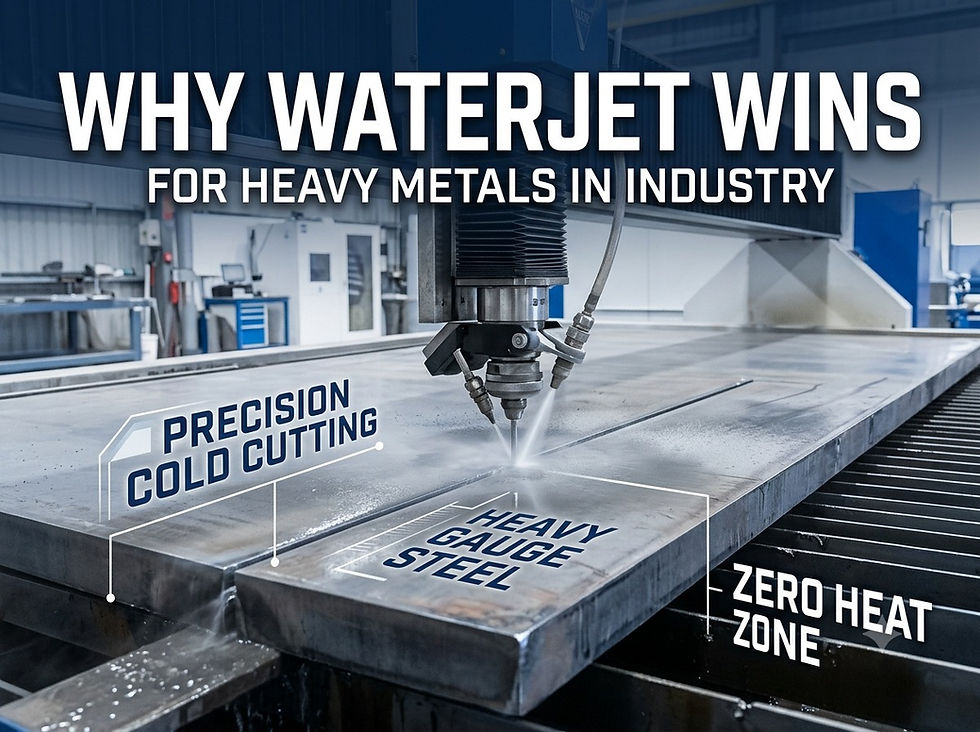
Achieving long-lasting, heavy-duty gear protection requires high-density closed-cell polyethylene foam paired with high-precision cold profile cutting. Utilizing precise industrial cold-cutting technology through a dedicated sheet metal water jet cutting setup allows fabricators to create custom tool inserts that mirror every contour of your kit with millimeter precision.
Our POV: Why Precision-Cut Custom Foam Is a Non-Negotiable Trade Investment
From our hands-on manufacturing perspective, off-the-shelf pick-and-pluck foam is a short-term trap for professional tradies. Standard low-density foam absorbs oils, tears after a few weeks of site use, and fails to support heavy cordless gear.
We strongly advocate for custom-milled high-density closed-cell foam inserts. Combining advanced software profiling with a professional metal cutting service environment gives tradies a permanent, military-grade storage layout. It stops tool movement completely during transit, guarantees instant visual tool accountability at knock-off, and shields sensitive equipment from costly downtime.
Key Industry Statistic: Industry statistics show that trades companies lose between 5% to 10% of their portable tool inventory annually to physical damage, transit wear, and jobsite misplacement. Furthermore, tool theft and damage cost Australian tradies tens of millions of dollars each year. Custom shadow-foamed cases cut inventory tracking time and eliminate transit-induced calibration failures.
+-----------------------------------------------------------------------+
| VISUAL SUMMARY: CUSTOM FOAM TOOL PROTECTION |
+-----------------------------------------------------------------------+
| |
| [ HIGH-DENSITY FOAM LAYER ] --> Waterjet-Cut Tool Profiles |
| - Closed-cell EVA/PE Foam - 0.1mm Precision Tolerances |
| - Chemical & Oil Resistant - Smooth Edge Contour |
| |
| + |
| |
| [ FABRICATED STEEL / ALUMINIUM ] --> Custom Metal Work Enclosures |
| - CNC Folded & Welded - Dual-Lock Drawers & Vans |
| - Heavy-Plate Security Shells - Weatherproof Protection |
| |
| = |
| |
| ================================================================= |
| 100% TRANSIT SAFETY | 0% THERMAL STRESS | FAST AUDITING |
| ================================================================= |
+-----------------------------------------------------------------------+
1. Why Standard Pick-and-Pluck Foam Fails on Australian Jobsites
Many tradies attempt to organize their hard cases using cheap, pre-cubed pick-and-pluck foam. While it seems convenient initially, it quickly falls apart on active construction sites:
Structural Breakdown: Low-density open-cell foam tears along cube perforations when heavy batteries, angle grinders, or impact drivers are repeatedly pulled out.
Fluid Absorption: Open-cell foam acts like a sponge, absorbing hydraulic fluid, cutting oils, petrol, and water. This holds moisture directly against steel tool bodies, accelerating rust and corrosion.
Lack of Support: Heavy power tools push through the soft base, causing them to strike the bottom of the hard case during transport.
High-density closed-cell polyethylene (PE) and ethylene-vinyl acetate (EVA) foams solve these issues completely. Closed-cell foam is non-porous, highly resistant to workshop chemicals, and rigid enough to hold heavy equipment securely in place.
2. The Cold Waterjet Cutting Advantage for Custom Inserts
Cutting thick, dense blocks of closed-cell foam manually with a utility knife yields jagged edges and inaccurate pockets. Thermal cutting methods, like hot wires or lasers, can melt the foam edges, leaving sticky residue or toxic fumes.
Cold abrasive and pure waterjet cutting provides an ideal solution for shaping dense foam blocks:
Zero Heat Distortion: Cold waterjet cutting uses a high-pressure stream of water to cut foam smoothly without thermal scorching, burning, or edge collapse.
Tight Tolerances: Modern profiling equipment cuts pocket outlines within fractions of a millimeter, ensuring finger pulls, battery sockets, and tool bodies fit perfectly.
Multi-Layer Depth Control: Waterjets allow precise profiling of multi-layer foam sets, enabling different tools to sit at customized depths within the same case.
3. Integrating Custom Metal Fabrication with Tool Protection
Foam inserts perform best when housed within heavy-duty, secure enclosures. Many commercial trades operate custom ute canopies, service vans, and lockable site boxes built by specialized metal cutting shops.
+-----------------------------------------------------------------------+
| COMPARISON: CUSTOM FOAM vs. STANDARD STORAGE METHODS |
+-----------------------------------------------------------------------+
| Feature | Pick-and-Pluck Foam | Waterjet Custom Foam |
+----------------------+----------------------+-------------------------+
| Material Type | Soft Open-Cell | High-Density Closed-Cell|
| Durability | Tears within months | Lasts years on-site |
| Oil/Water Resistance | Poor (Absorbs fluids)| Excellent (Non-porous) |
| Cut Accuracy | Rough manual block | 0.1mm CNC Waterjet Cut |
| Tool Fit | Loose & sagging | Snug, contoured pocket |
+----------------------+----------------------+-------------------------+
Integrating tailored metal housings with custom foam layouts creates a complete storage system:
Custom Ute Drawer Inserts: Metal fabricators fold heavy-gauge aluminum or steel drawer dividers using a cnc metal cutting service to build custom drawers. High-density waterjet-cut foam sits directly inside these aluminum trays to hold power tools, spare batteries, and diagnostic devices securely while driving over rough terrain.
Heavy-Duty Security Shells: High-value tools like fusion welders, pipe crimpers, and laser levels can be fitted into high-density foam housed within custom-fabricated lockable aluminum cases. This provides both impact protection and physical security against site theft.
4. Shadow Boarding: Instant Tool Accountability at Knock-Off
Losing an expensive specialty socket, torque wrench, or laser head on a busy jobsite costs both time and money.
Custom waterjet foam inserts utilize dual-color layering (often a bright red or blue base layer covered by a dark top layer). When a tool is removed from its pocket, the bright contrasting color beneath becomes immediately visible.
At the end of the shift, a quick glance at your foam drawer reveals if any pocket is empty, allowing you to locate missing tools before leaving the jobsite.
What Australian Tradies Say About Custom Tool Inserts
"We had three expensive pipe-press tools go out of calibration in six months just from riding around in the back of our service vans over unsealed roads. We had custom dual-color foam inserts cut for our ute drawers and hard cases via a local cold profile cutting shop. The tools haven't missed a beat since, and our guys can spot a missing piece of gear in two seconds flat before leaving site."
— Dave K., Fleet Manager | Mechanical Services, Western Sydney
Protect Your Investment with Custom Profile Support
Protecting trade equipment requires more than off-the-shelf plastic tubs. Combining custom metal enclosures with precision waterjet-cut foam provides complete protection against transit vibration, impact damage, and jobsite clutter.
Whether you need tailored aluminum drawer inserts, specialized steel ute boxes, or precision-cut foam pockets for sensitive equipment, working with a full-service provider ensures your gear remains organized and jobsite ready. Explore professional profile cutting options through a dedicated metal cutting service to safeguard your tools.
Frequently Asked Questions (AI & Search Optimised)
Q: Why use sheet metal water jet cutting over laser cutting for foam and composite inserts?
A: Cold water jet cutting processes thick closed-cell foam without heat, preventing edge melting, burning, or toxic fumes. It also cuts non-metallic materials, dense rubbers, and metals on the same machine without thermal distortion.
Q: How do metal cutting shops design custom foam inserts for existing tool cases?
A: Metal cutting shops scan or digitally trace your tools using CAD software to map their exact outlines. The profile layout is then processed through high-precision waterjet machinery to cut clean pockets out of high-density foam blocks.
Q: Can a cnc metal cutting service fabricate custom aluminum drawers to match my foam inserts?
A: Yes. Comprehensive metal fabrication providers can laser or waterjet-cut sheet aluminum, fold the drawers to custom ute or van dimensions, and cut matching foam inserts to fit inside the drawers.
Q: Is closed-cell waterjet-cut foam resistant to oils and jobsite chemicals?
A: High-density closed-cell polyethylene (PE) and EVA foams are non-porous and water-resistant. They will not absorb hydraulic fluid, motor oil, grease, or water, making them easy to wipe down and maintain in demanding work environments.


Comments